



As Nigerians prepare for the festive season, the Nigeria Centre for Disease Control and Prevention on Tuesday urged citizens to celebrate responsibly and prioritise their health.
The NCDC also warned that the combination of increased travel, crowded gatherings, and the dry season could heighten the risk of infectious diseases.
In a public health advisory signed by the Director-General of the centre, Dr Jide Idris, the agency highlighted Lassa fever, Cerebrospinal Meningitis and diarrhoeal diseases as major concerns during this period.
This advisory follows concerns that increased travel, crowded celebrations, and the dry season may fuel a surge in infections, particularly Lassa fever, meningitis, and foodborne illnesses.
Idris stated, “This period of increased travel, large gatherings, and food sharing, coupled with the dry season, increases the risk of infectious disease transmission.
“Key public health risks during this period are Lassa fever, Cerebrospinal Meningitis (CSM), diarrhoeal diseases and foodborne illnesses (linked to poor food handling, storage, and hygiene), and Antimicrobial Resistance.
“These conditions significantly increase the risk of antibiotic misuse and overuse, which accelerate antimicrobial resistance and make common infections harder to treat.”
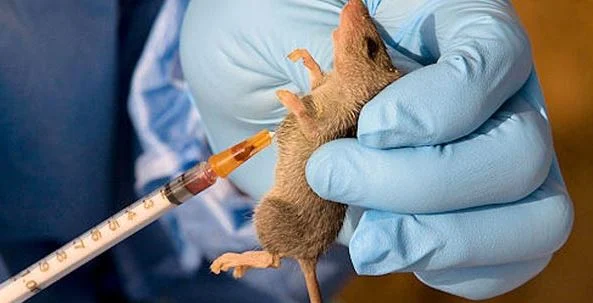
It said Lassa fever, a viral haemorrhagic infection transmitted through contact with food contaminated by rodent urine or faeces and through body fluids of infected persons, remains a significant threat.
The NCDC advised households to store food in tightly covered containers, maintain clean environments, avoid bush burning that drives rodents indoors, and seek urgent medical care if symptoms such as fever, vomiting, or bleeding occur.
The centre also warned of an increased likelihood of Cerebrospinal Meningitis outbreaks due to the dry season.
Nigerians were encouraged to avoid overcrowded environments, ensure proper ventilation, and watch for symptoms such as neck stiffness, fever, nausea, seizures, and sensitivity to light.
The agency emphasised vaccination, especially for people in high-risk areas, and cautioned against self-medication.
“Improper food handling can lead to food poisoning and other gastrointestinal infections.
“Wash hands thoroughly before and after preparing food; cook food thoroughly and store leftovers in a refrigerator or cool place; avoid consuming food that has been left out for long periods; drink safe, clean water (boiled or treated if unsure); and use clean utensils to avoid cross-contamination of raw and cooked foods.
“During the festive season, the risk of AMR increases due to the overuse and misuse of antibiotics, often driven by self-medication, incomplete treatment, and the inappropriate use of antibiotics for viral infections such as colds, flu, and Lassa fever.
“Misuse of antibiotics weakens their effectiveness, making common infections more difficult and expensive to treat. Antibiotics do not treat viral infections such as colds, flu, or most cases of fever. Do not self-medicate or purchase antibiotics without a prescription. Use antibiotics only when prescribed by a qualified healthcare professional; always complete the full course of antibiotics as prescribed, even if you begin to feel better; and do not share antibiotics with others or use leftover medicines.
“Wash hands regularly with soap and water, or use alcohol-based hand sanitisers; use face masks in crowded or poorly ventilated places; maintain physical distancing where possible; and ensure that vaccinations, including meningitis vaccination, are up to date, especially for children,” the NCDC advised.
The centre reaffirmed its commitment to monitoring disease trends, supporting states in response efforts, providing rapid testing, and maintaining emergency response systems throughout the festive period.
“If you feel unwell or observe a suspected case, call NCDC’s 24/7 toll-free line: 6232, or report to the nearest health facility or Disease Surveillance Officer in your area.
“Let’s celebrate responsibly and, together, we can reduce disease risks, protect our families, and ensure a safe and joyful festive season for all,” it added.