

Funmi Ogundare
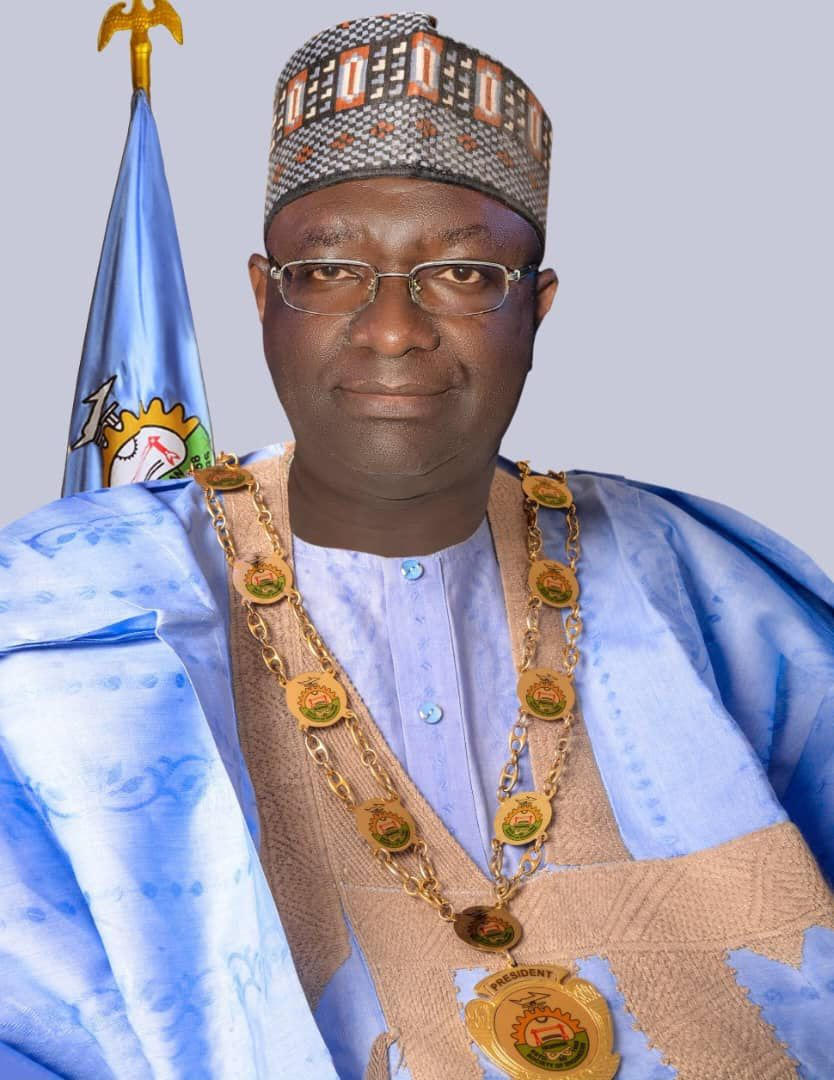
The President of the Nigerian Society of Engineers (NSE), Ali Alimasuya Rabiu, Thursday, inaugurated its 2026 boards and committees, in an effort aimed at repositioning the society for stronger relevance, resilience and influence in national development.
Speaking at the inauguration ceremony held virtually, Rabiu said 2026 marks a defining phase for the society to strengthen its institutional foundations and restore its standing as a credible voice in engineering practice, innovation and national policy discourse.
He said the NSE must transcend its traditional role as a professional association to become a confident institution that sets engineering standards, drives innovation, shapes public policy and delivers measurable value to its members and the Nigerian public.
According to him, “The newly constituted boards and committees represent the engine room of proactive leadership in the society, providing the structure and actionable frameworks required to pursue its objectives in a coordinated and strategic manner.”
The president explained that the selection of chairmen and members was carried out in line with the society’s governing provisions and deliberately structured to harness the experience and competence needed to advance the NSE’s mandate.
While acknowledging the magnitude of the tasks ahead, the NSE president expressed confidence that the challenges could be surmounted through collaboration, commitment and effective planning.
He charged committee chairmen to ensure proper organisation and active participation of members, stressing that every appointee must contribute meaningfully to decision-making and execution of assigned responsibilities.
He further emphasised accountability, stating: “Chairmen would be required to submit periodic productivity appraisals on members, while underperforming members could be replaced during the year.”
Rabiu urged the boards and committees to align their activities with the NSE Strategic Agenda document, which he described as the compass guiding the society’s priorities and contributions to national development.
In a bid to reduce operational costs and improve efficiency, he encouraged extensive use of information technology and virtual platforms for meetings, noting that physical meetings would only be approved where absolutely necessary.
He also reminded members of their financial obligations to the society, stressing that prompt payment of dues remains critical to sustaining NSE programmes and fulfilling its professional mandate.
Key appointments include Kashim Abdul Ali, as Chairman of the Electoral Committee; Tasiu Wudil, as Chairman of the International Affairs Committee; Kamila Wopa Maliki as Chairman of the Board of Fellows; Abdul Wanori, Chairman of the Conference Planning Committee; and Major General Obi (rtd) as Chairman of the Security Committee, among others.
Speaking on behalf of the committees, the chairmen commended the NSE president for the confidence reposed in them and pledged to work diligently to deliver on their mandates while strengthening institutional processes within the society.