Ndubuisi Francis in Abuja
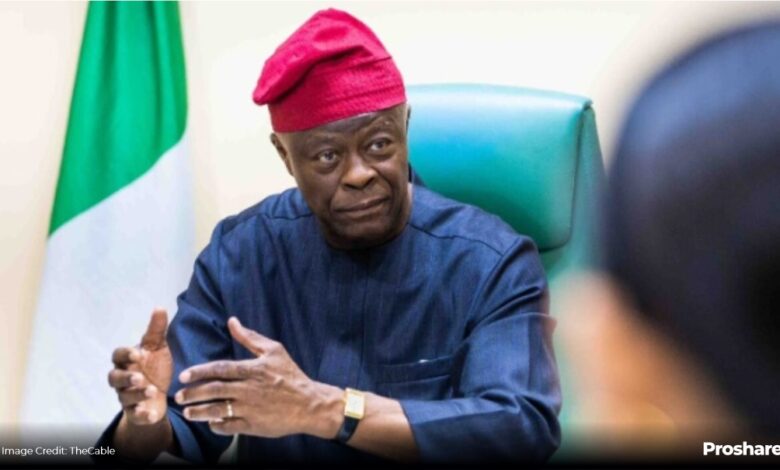
Nigeria has moved decisively from stabilisation to consolidation, embedding reforms that support private-sector-led growth, strengthen institutions, and restore confidence in the economy, the Minister of Finance and Coordinating Minister of the Economy, Mr. Wale Edun, said in Davos, Switzerland.

Speaking at the Nigeria House, the minister, who participated at Davos WEF 2026, the annual meeting of the World Economic Forum (WEF), outlined Nigeria’s reform agenda, emphasising fiscal discipline, macroeconomic stability, and the government’s commitment to building a predictable, investor-friendly economic environment.
Nigeria House serves as a one-stop hub for dialogue and deal-making at WEF.
Nigeria’s positioning is an emerging destination for sustainable, long-term investment in an increasingly uncertain global economy.
The minister’s declaration came after last week’s report by the International Monetary Fund (IMF) that Nigeria’s macroeconomic stabilisation efforts were beginning to yield results, contributing to an improved growth outlook for sub-Saharan Africa.
The Fund made the assessment in its January 2026 World Economic Outlook Update, in which it revised growth projections for the African region upward, citing Nigeria among key economies where policy adjustments are paying off.