
The House of Representatives Committee on Petroleum Resources (Midstream) on Tuesday called for urgent legislative intervention in the dispute between the Nigerian Midstream and Downstream Petroleum Regulatory Authority and the Dangote Refinery, warning that a prolonged standoff could trigger an energy crisis capable of crippling the economy.
The disagreement centres on regulatory approvals and operational compliance issues involving petroleum product pricing and distribution.
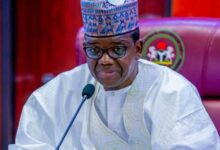

The Committee made the call at a workshop held in Abuja with the theme, “Midstream sector overview and strategic future chart for seamless processing.”
In his opening address, the Chairman of the Committee, Odianosen Okojie, underscored the strategic importance of the midstream sub-sector to Nigeria’s oil and gas value chain, noting that efficient processing, transportation and storage infrastructure are critical to achieving energy security, industrial growth and economic diversification.
He reaffirmed the Committee’s commitment to robust legislative oversight, policy support and stakeholder engagement, “aimed at removing operational bottlenecks and unlocking investment in the sector.”
According to him, the workshop was deliberately designed to generate practical insights that would guide legislative actions and long-term structural reforms in the petroleum midstream space.
He said, “There is an urgent need for legislative intervention in the ongoing dispute between the Nigerian Midstream and Downstream Petroleum Regulatory Authority and the Dangote Refinery.
“The disagreement poses serious implications for sector stability, investor confidence, and Nigeria’s energy security. This is so because unresolved regulatory conflicts could undermine efforts to reposition the petroleum industry for growth.”
Okojie called on Committee members to play a mediatory and oversight role to ensure regulatory clarity, fairness and a sustainable resolution that aligns with the national interest.
The workshop featured a technical session led by industry experts, who provided an overview of the midstream sector, highlighted emerging challenges and outlined strategic options for achieving seamless processing.
Participants engaged in interactive discussions, offering practical perspectives on regulatory gaps, infrastructure deficits, gas utilisation strategies and ways to enhance private sector participation.
The conference concluded with expressions of optimism from stakeholders, who commended the Committee for creating a platform for constructive engagement.
They also expressed confidence that the outcomes of the workshop, particularly the Committee’s proactive stance on resolving sectoral disputes, would translate into stronger policies and decisive legislative actions.
Stakeholders agreed that such measures are essential to improving efficiency, attracting investment and repositioning the petroleum midstream sector as a key driver of Nigeria’s economic growth.
The dispute has played out publicly in recent months following allegations by the President of the Dangote Group, Aliko Dangote, that officials of the NMDPRA were frustrating the operations of his $20 billion Lekki-based refinery through what he described as regulatory inconsistencies and unfair practices.
Dangote had accused the Authority’s Managing Director, Farouk Ahmed, of corruption, alleging that regulatory actions taken against the refinery were influenced by vested interests and attempts to protect fuel importation businesses at the expense of local refining.
The NMDPRA has denied the allegations, insisting that its decisions were guided strictly by the provisions of the Petroleum Industry Act and existing quality and safety standards.
The Authority maintained that it would not compromise regulatory requirements and that its actions were aimed at protecting consumers and ensuring product integrity.
The face-off has heightened concerns within the sector, prompting calls for legislative mediation to prevent regulatory uncertainty from undermining investment and energy security.